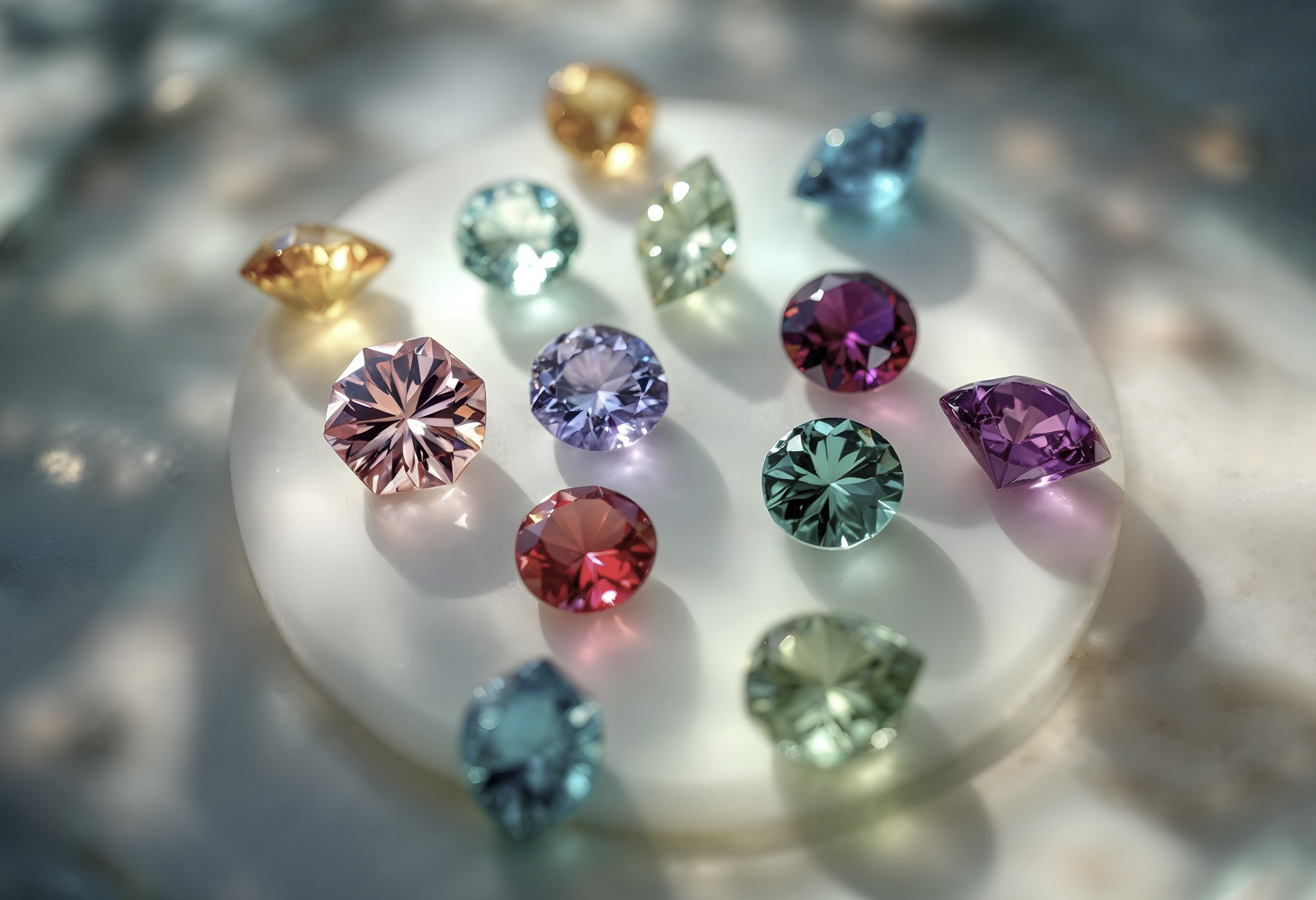
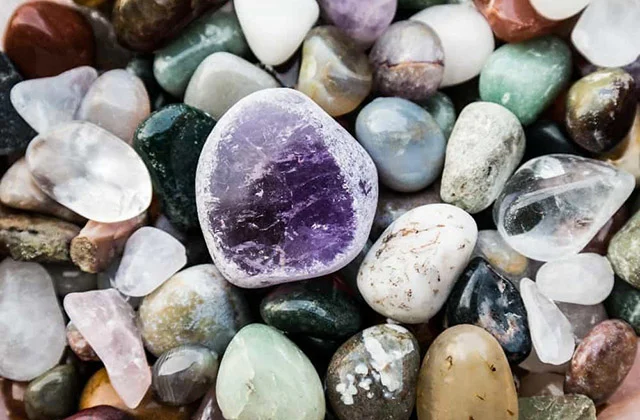
Explore the unique properties, origins, and significance of precious, semi-precious, and organic gemstones tested at our laboratory.
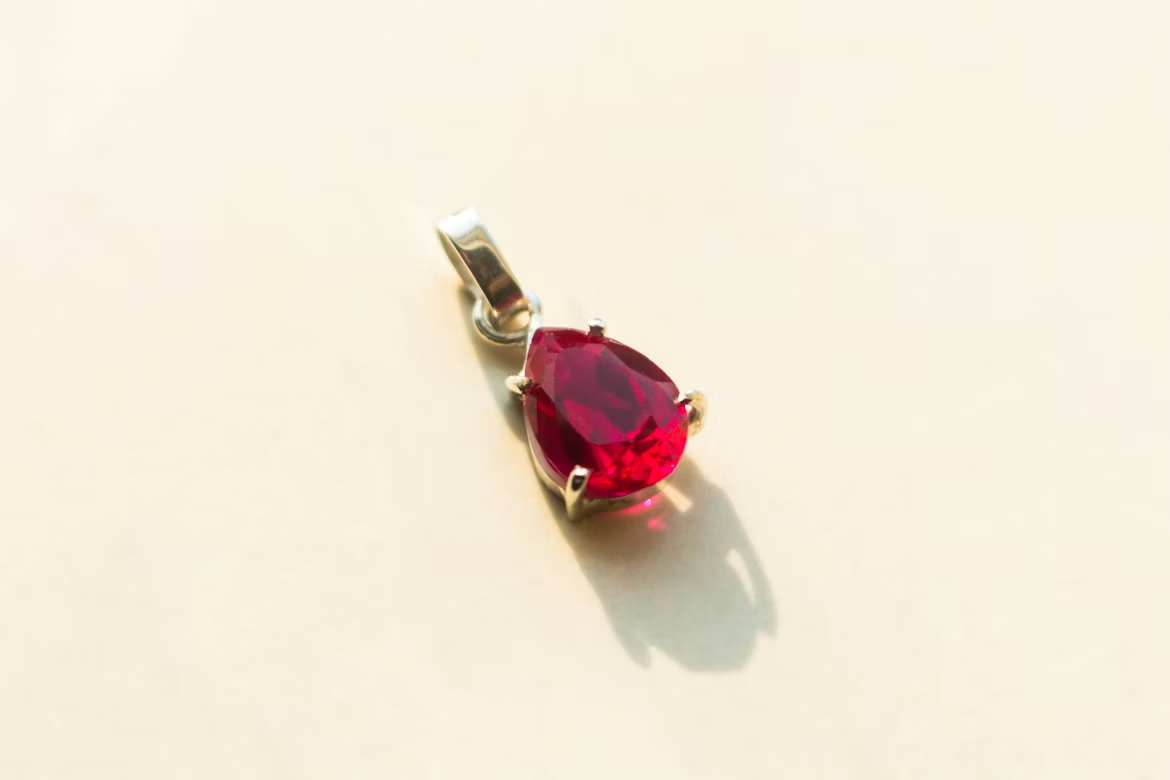
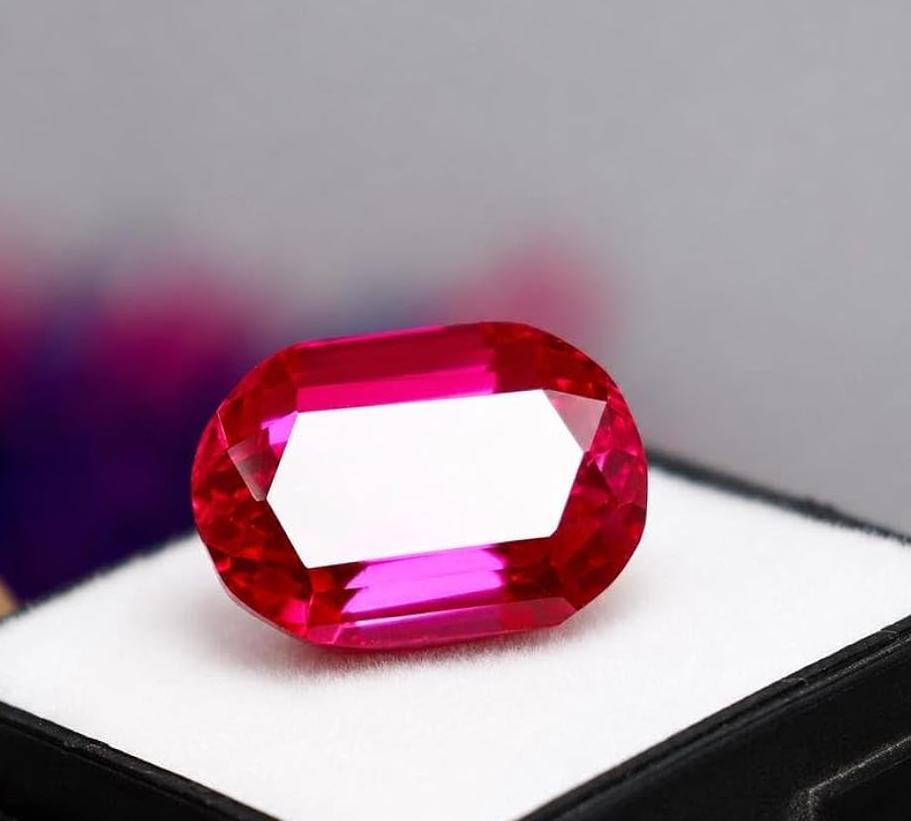
The king of precious stones, rubies are prized for their vibrant red colour caused by chromium.
Known as Neelam in Vedic astrology, blue sapphires are among the most sought-after gemstones.
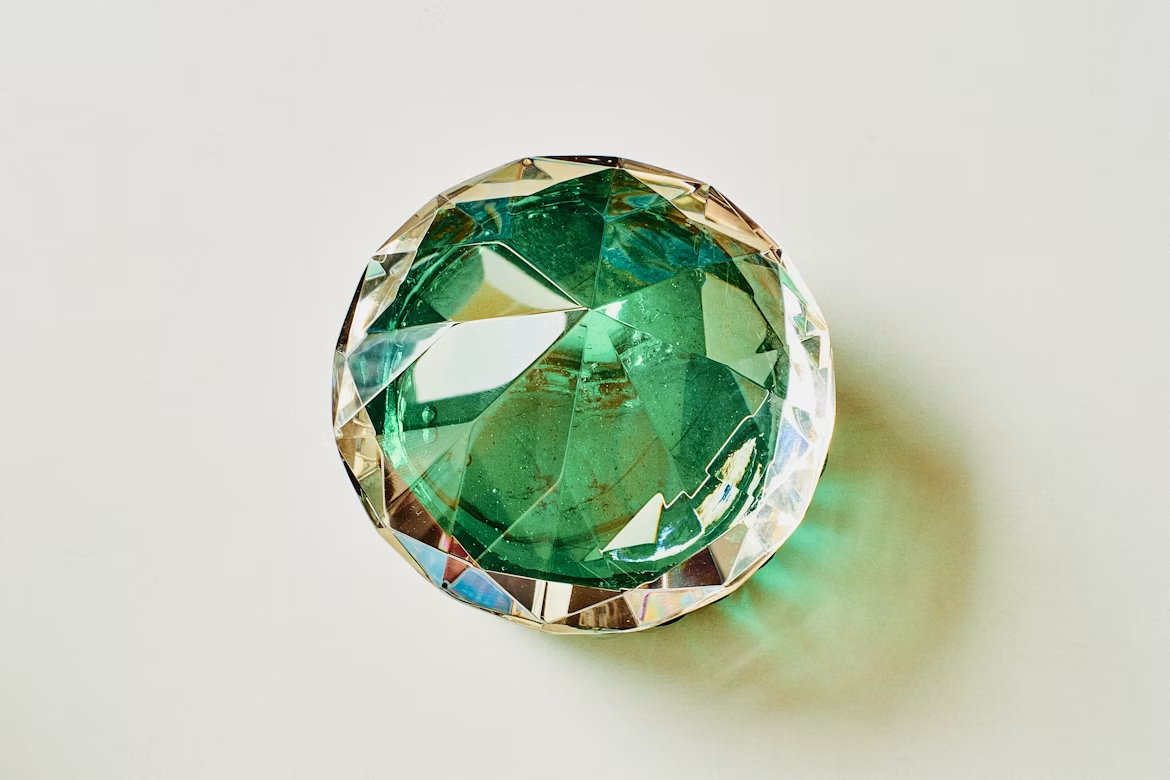
Emerald's lush green comes from chromium and vanadium. Natural inclusions (jardin) are part of their character.
The hardest natural substance on Earth, graded by the 4Cs: Cut, Color, Clarity, Carat.
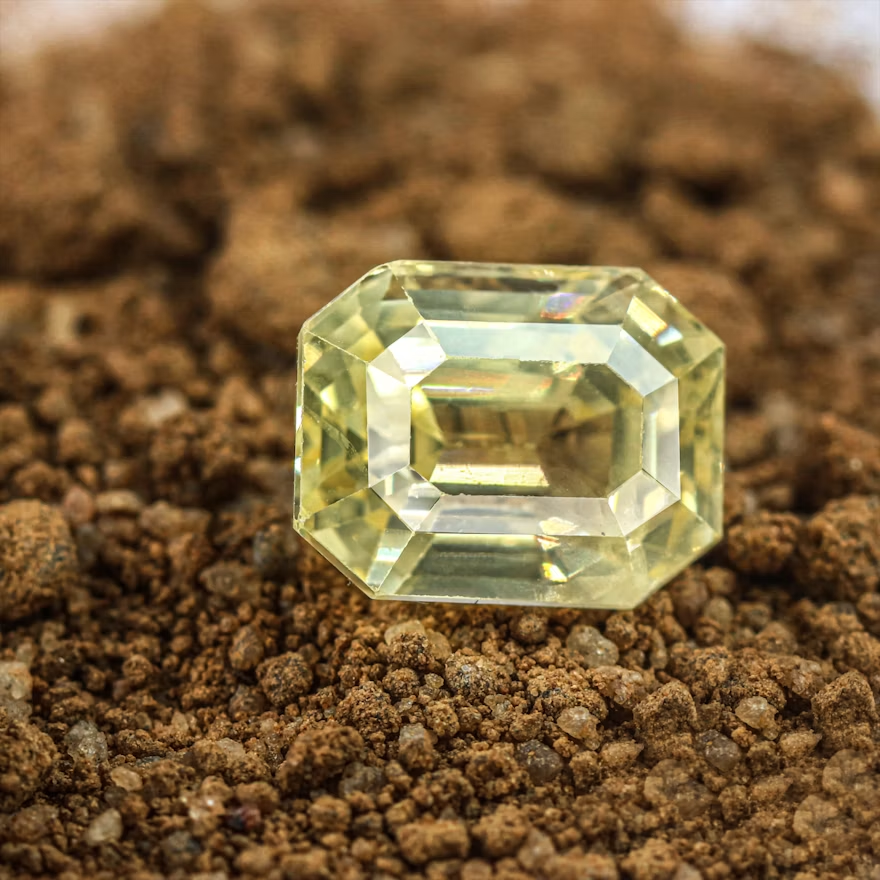
Known as Pukhraj, yellow sapphires range from pale yellow to deep golden. Highly regarded in Jyotish.
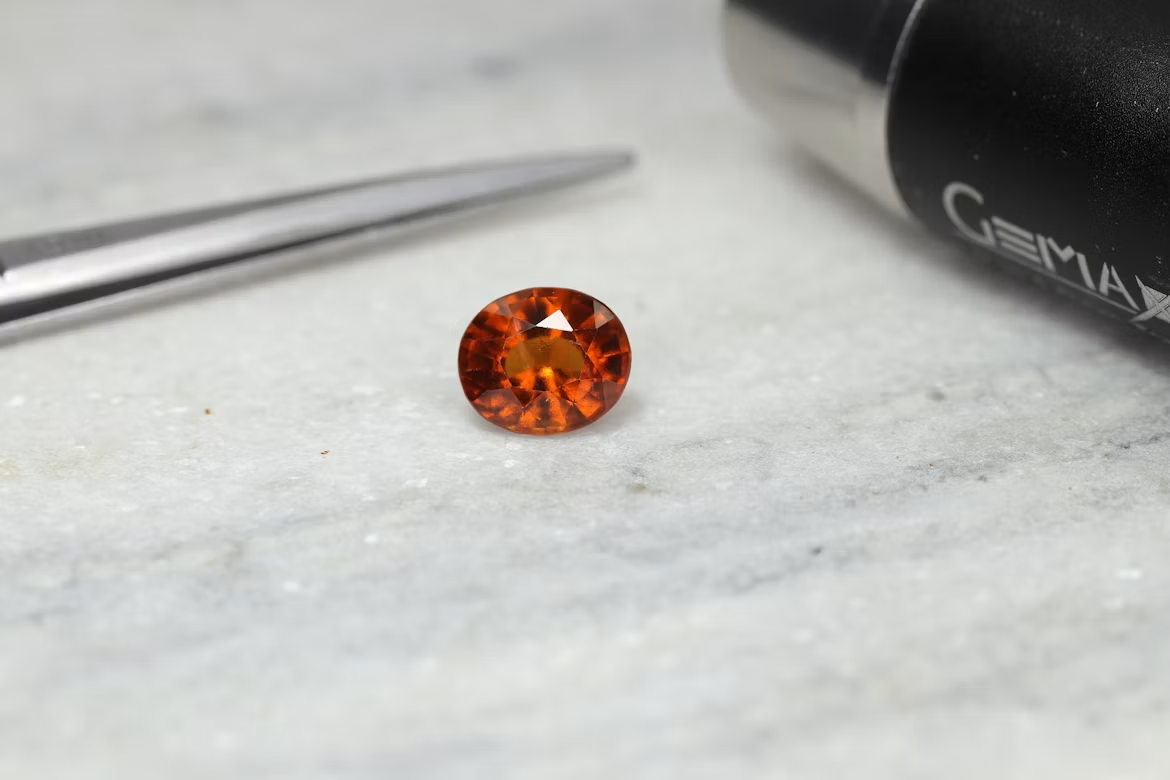
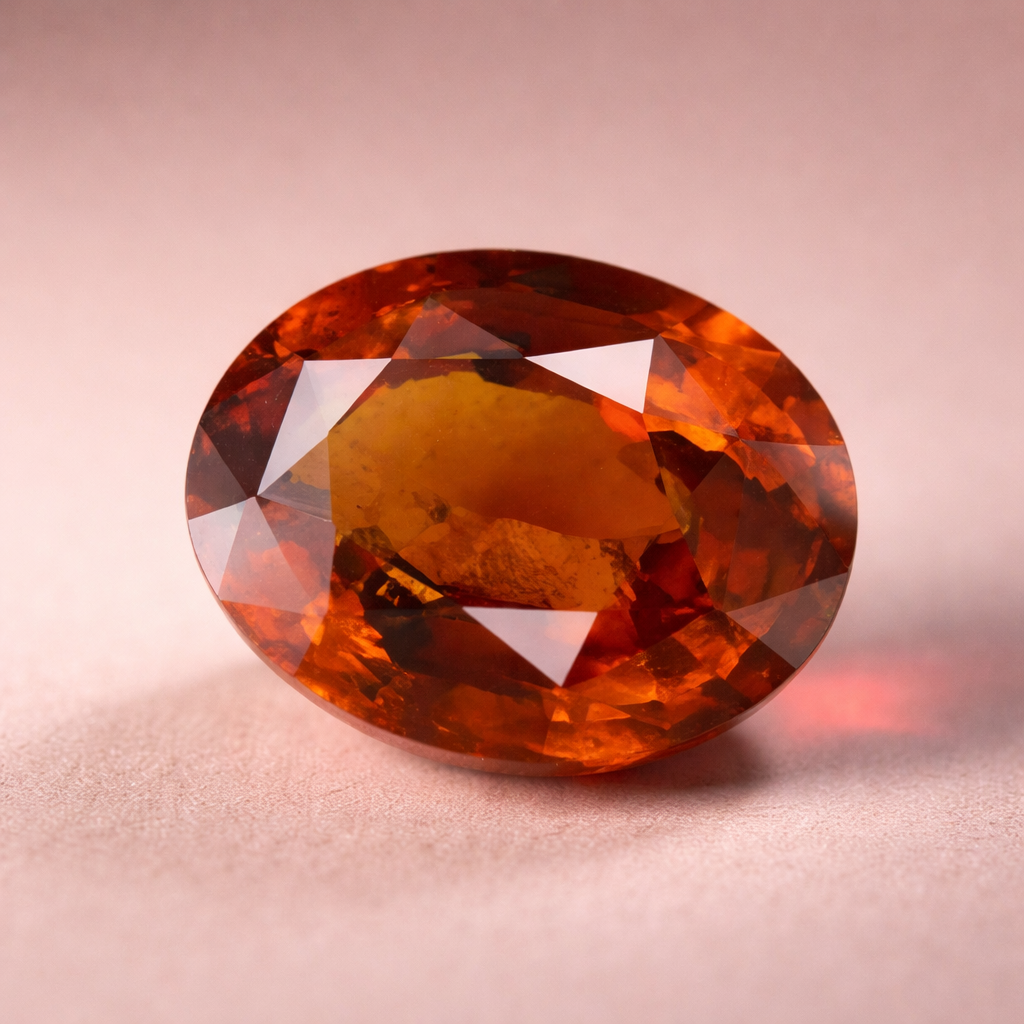
Also called Gomed, this honey-brown garnet is associated with Rahu. Known for its "heat-wave" effect.
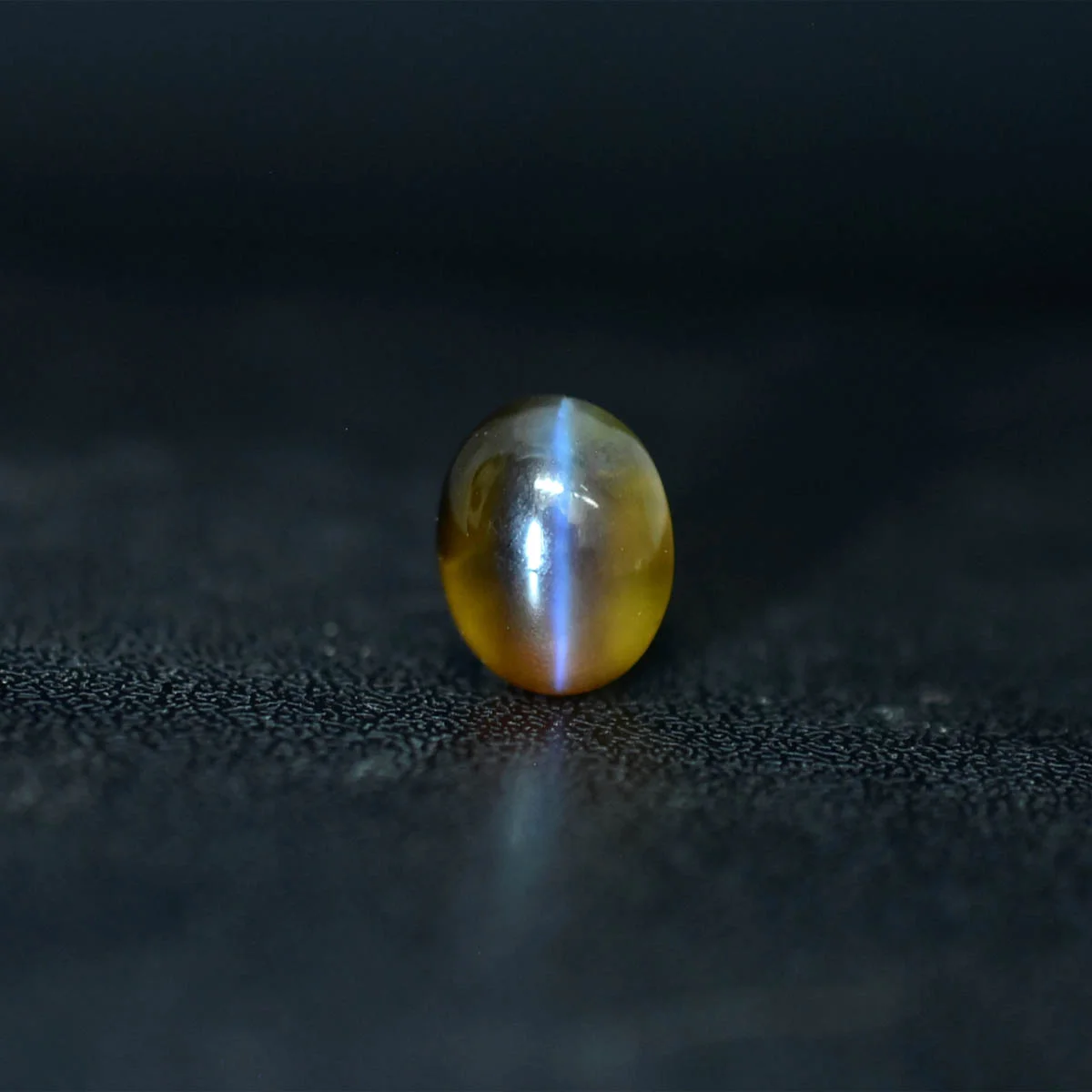
Displaying chatoyancy (the cat's-eye effect), this stone is linked to Ketu in Vedic astrology.
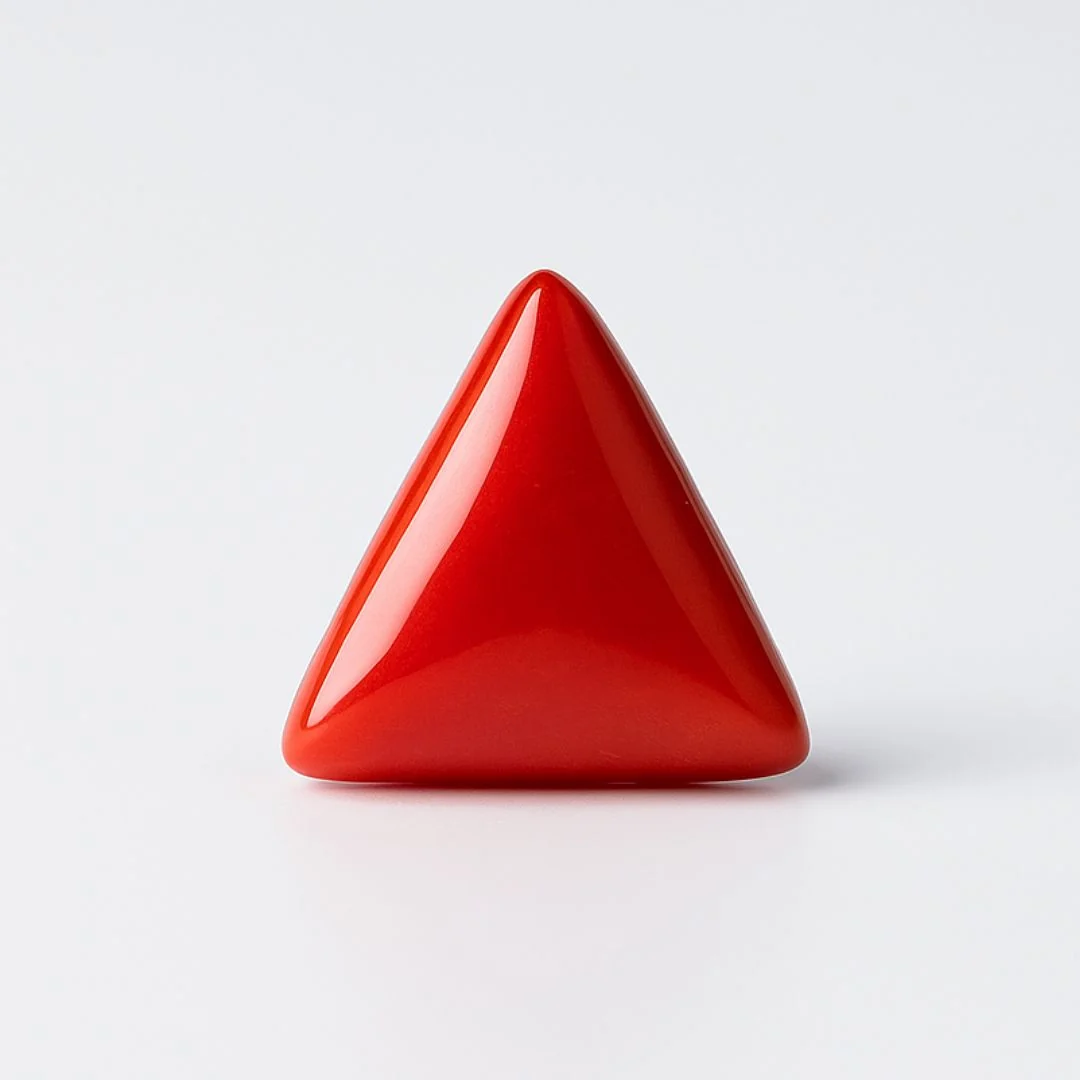
Red coral (Moonga) grows in deep-sea colonies. Used in Vedic astrology for Mars.
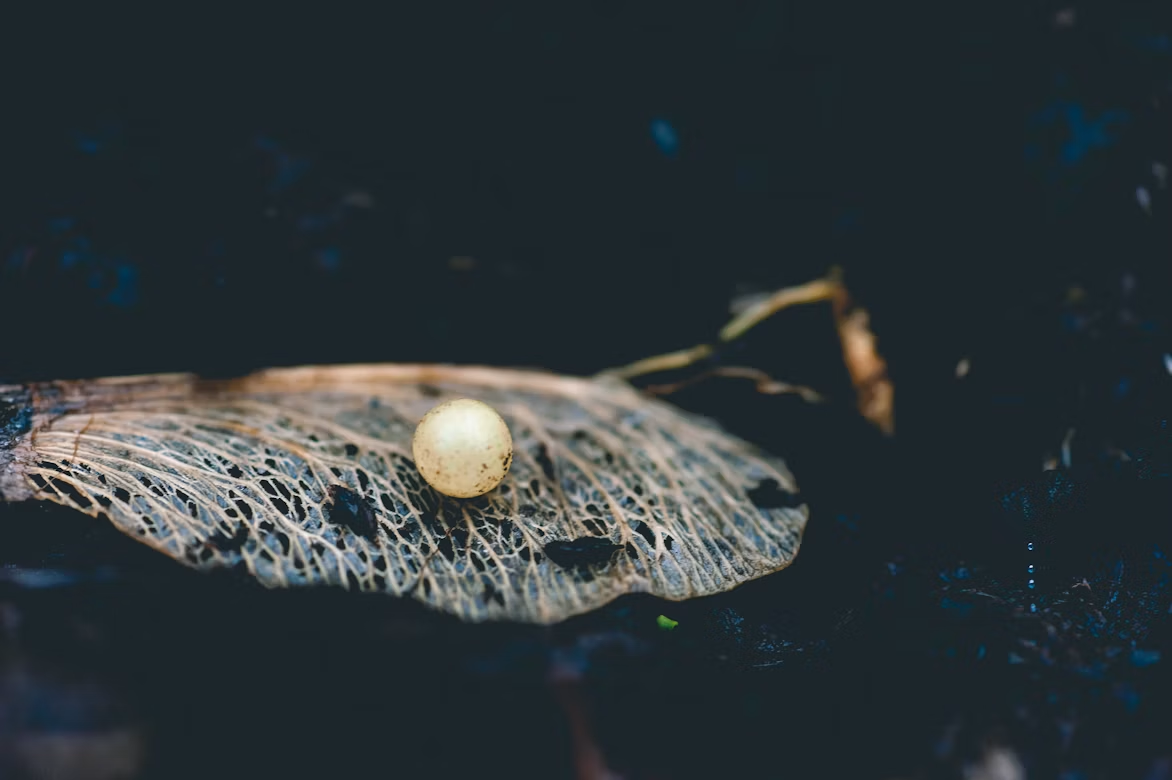
Formed inside mollusks, pearls are the only gemstones created by living organisms.
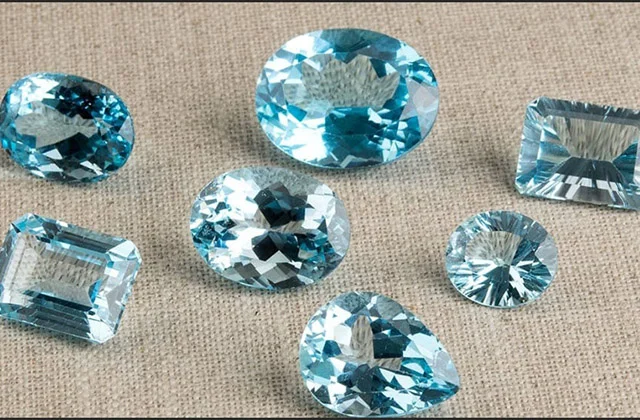
Imperial topaz in warm orange to pinkish-orange is the most prized variety of this versatile gem.
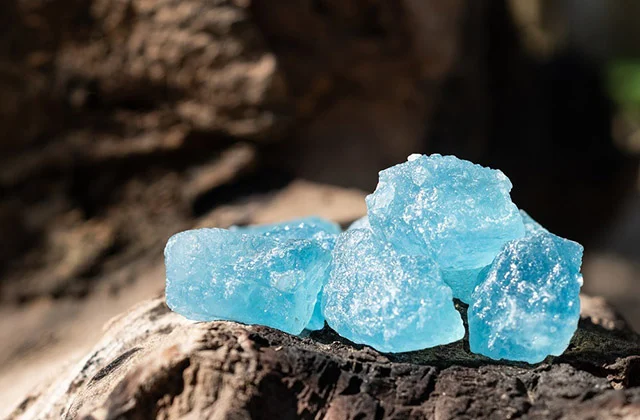
The sea-blue variety of beryl, known for its clean crystals and calming colour.
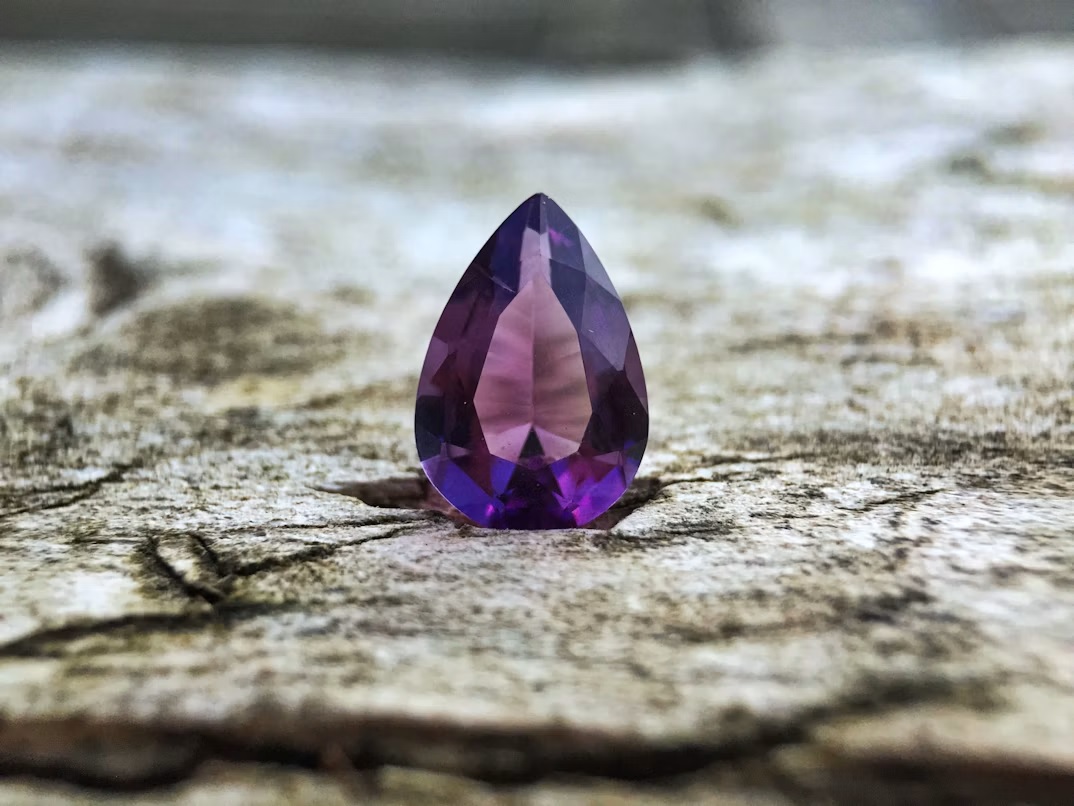
A purple variety of quartz historically linked to royalty and sobriety.
Garnets occur in almost every colour. The family includes tsavorite, rhodolite, and demantoid.
For centuries confused with ruby, spinel is now recognized as a valuable gem in its own right.
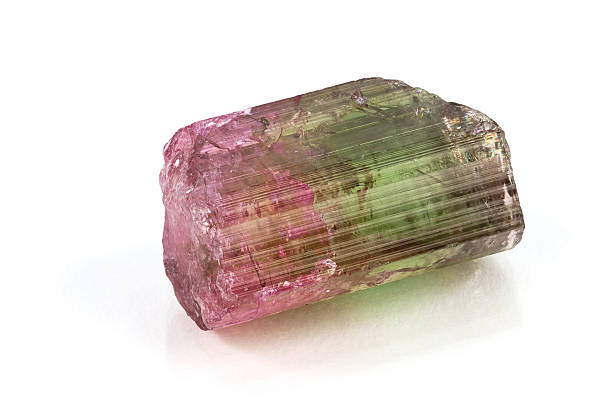
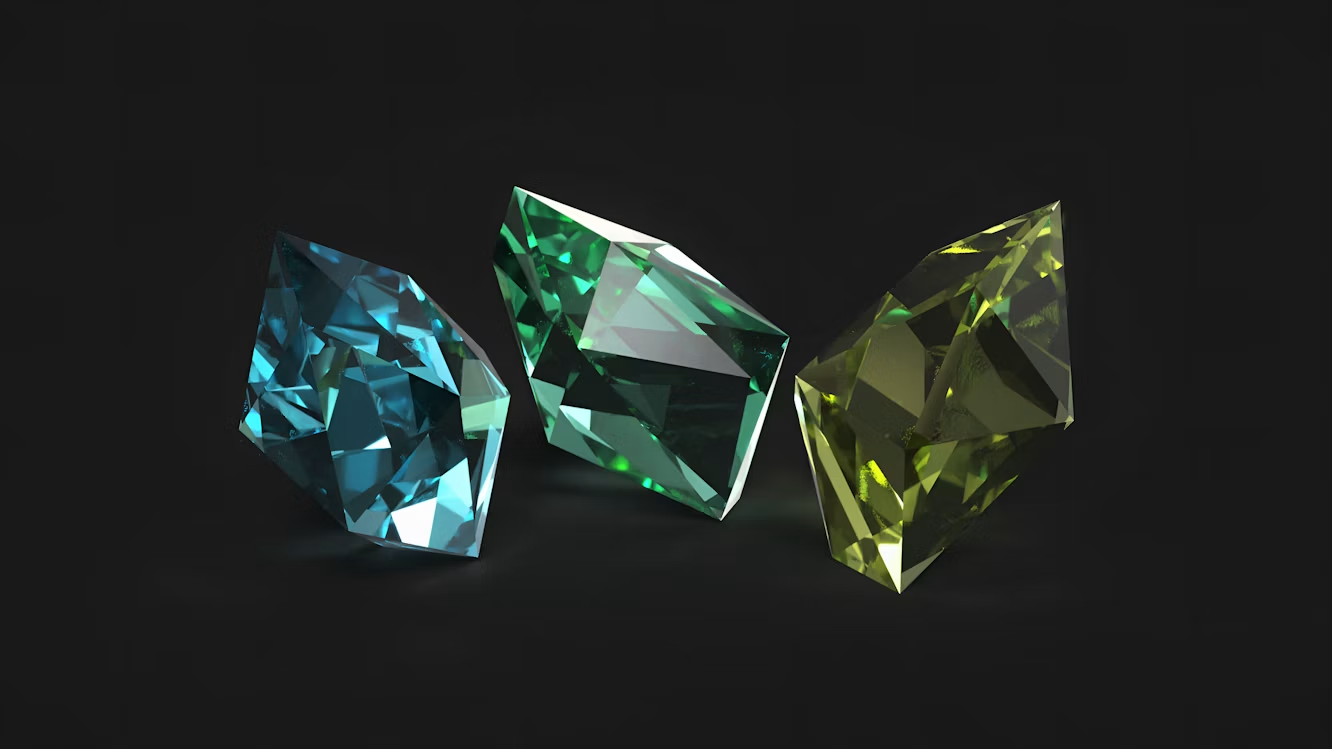
The widest colour range of any gem species. Paraiba tourmaline can exceed $50,000 per carat.
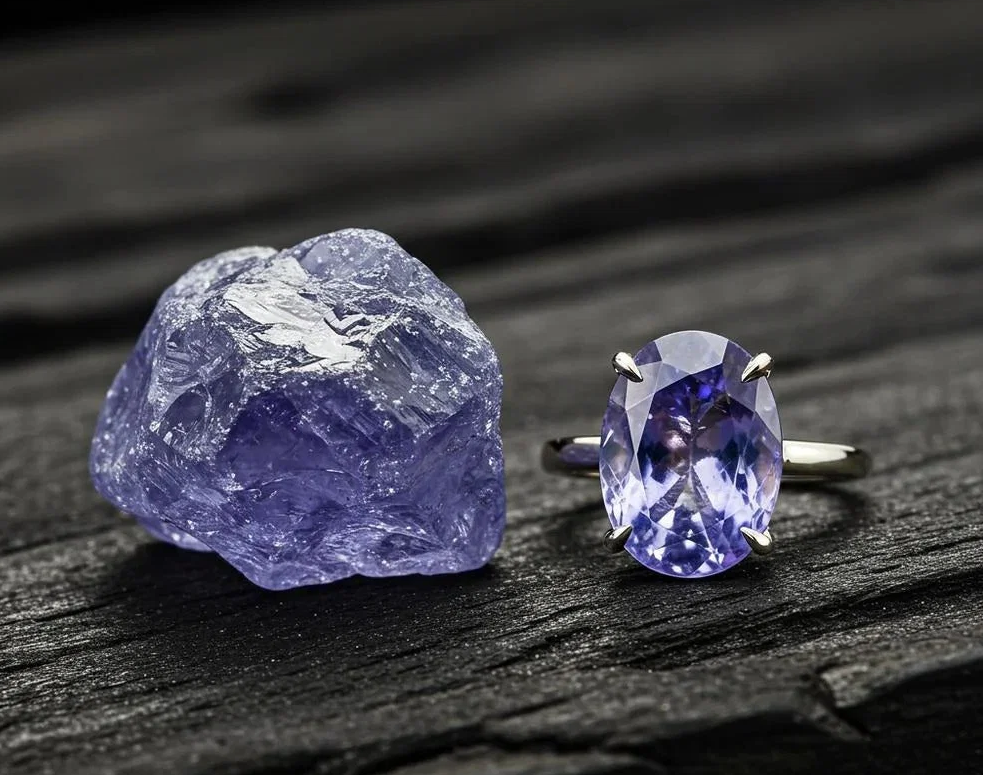
Found in only one location on Earth. Its vivid blue-violet rivals sapphire at a fraction of the price.
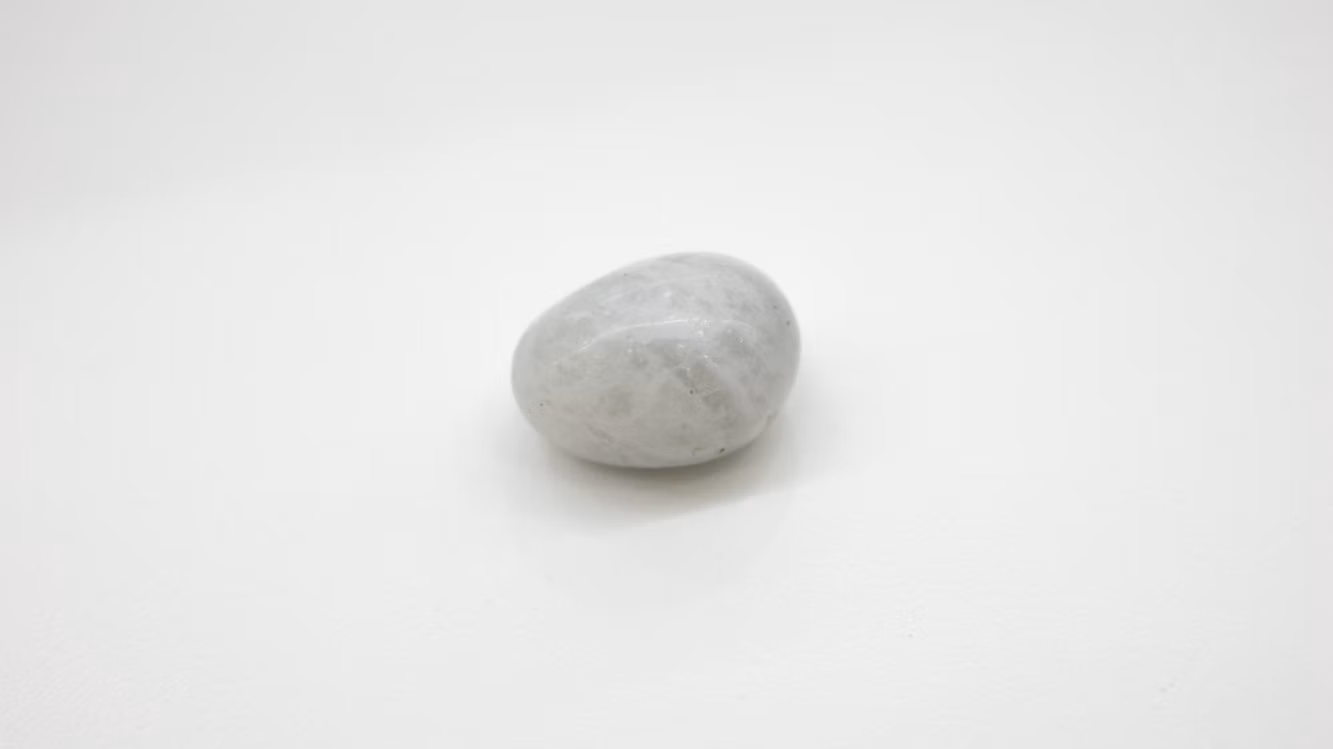
Displays adularescence, a billowing bluish-white light across the surface.
Earth's oldest mineral (4.4 billion years). NOT cubic zirconia. Exceptional brilliance and fire.