Overview
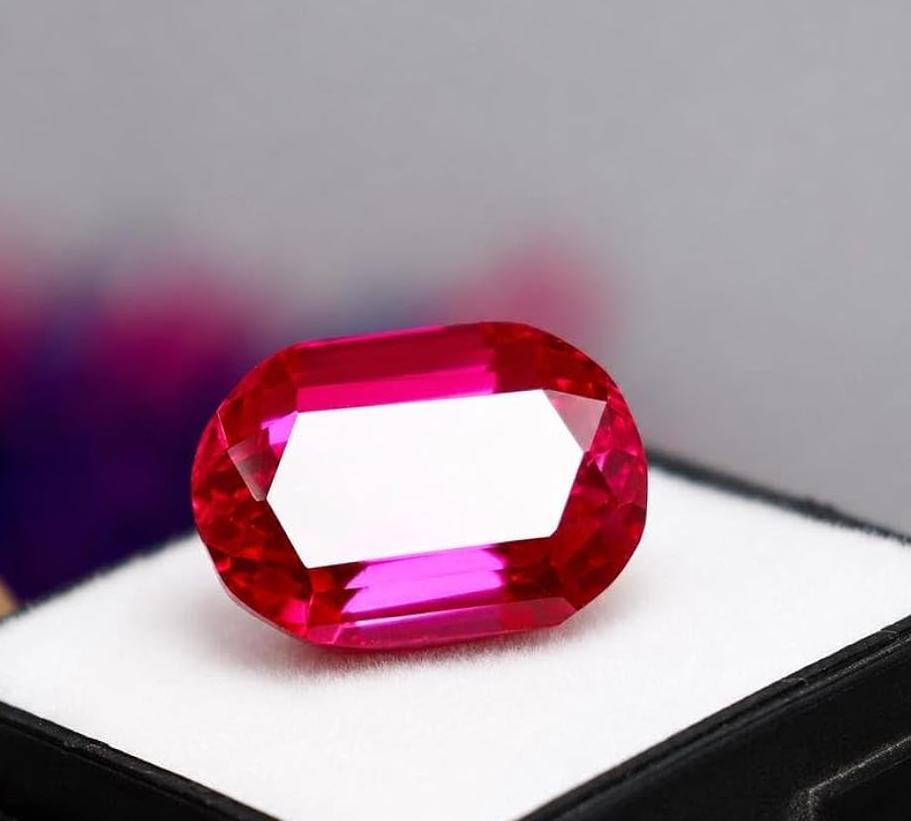
Spinel is magnesium aluminium oxide (MgAl₂O₄) that occurs in virtually every colour. For centuries, spinel was confused with ruby and sapphire. The "Black Prince's Ruby" in the British Imperial State Crown and the "Timur Ruby" in the British Crown Jewels are both, in fact, red spinels. Modern gemology recognizes spinel as a distinct and valuable gem species in its own right.
Physical Properties
Mohs hardness: 8. Refractive index: 1.712 to 1.736. Specific gravity: 3.58 to 3.61. Crystal system: cubic. Spinel is singly refractive (unlike corundum, which is doubly refractive), has no cleavage, and excellent toughness. These properties make it an ideal jewellery stone.
Colour Varieties
Red spinel from Myanmar (especially Namya and Mogok) can closely resemble Burmese ruby. Cobalt-blue spinel from Vietnam and Sri Lanka displays a vivid, neon-like blue. Hot pink and lavender spinels have a dedicated collector following. Black spinel is used extensively in fashion jewellery.
Why Spinel Is Undervalued
Spinel's historical misidentification as ruby or sapphire paradoxically reduced its market value. Because it was always "the other stone," it never developed the brand recognition of the big three. This is changing rapidly. Fine red and cobalt-blue spinels now command prices exceeding $10,000 per carat at auction. The addition of spinel as August's birthstone in 2016 has further boosted awareness.
Major Sources
Myanmar: the finest red and pink spinels. Vietnam (Luc Yen): exceptional cobalt-blue spinels. Sri Lanka: a wide range of colours. Tanzania, Madagascar, and Tajikistan (Kuh-i-Lal, the historical source of the famous "Balas rubies") also produce fine spinels.
Need a Spinel certified? GTCL provides comprehensive testing and certification for all gemstone types. Contact us →