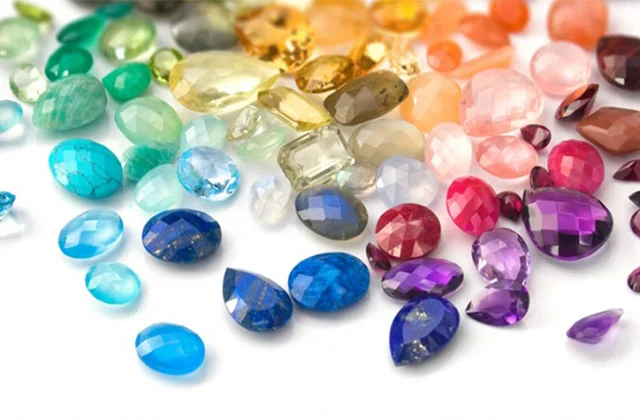
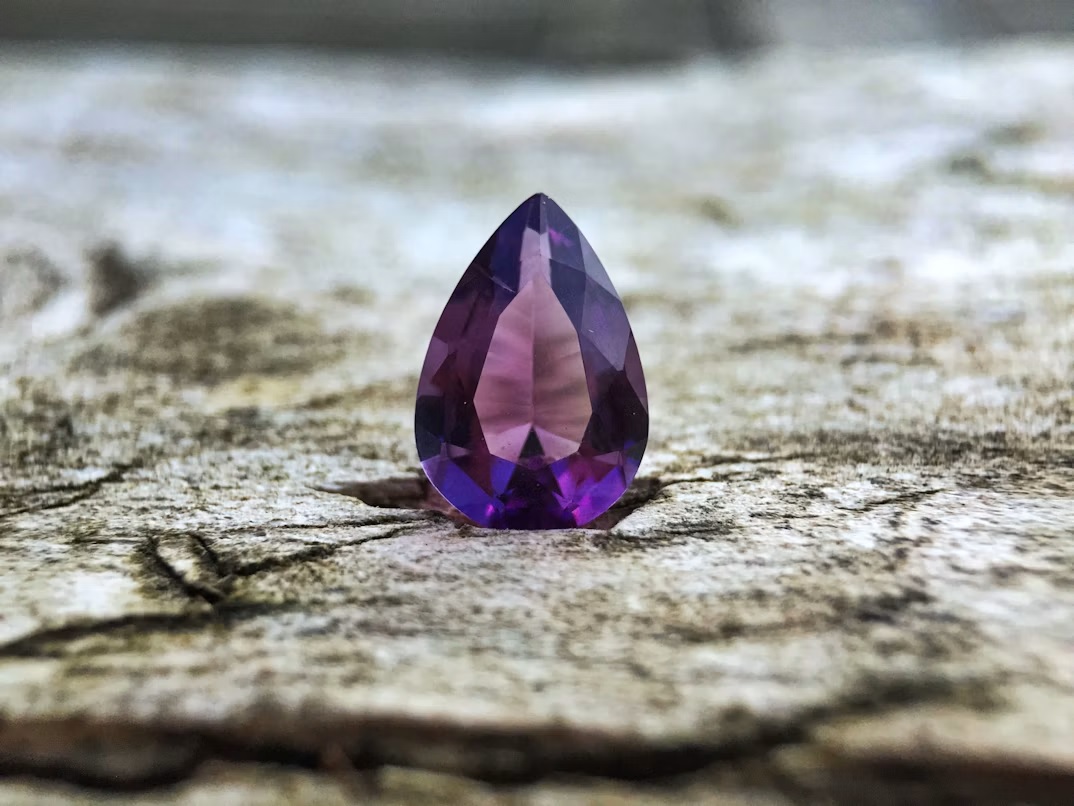
The Navaratna (nine gems) is one of the oldest gemstone systems in the world, documented in Sanskrit texts dating back over 1,500 years. Each gem corresponds to one of the nine celestial bodies (navagraha) recognized in Vedic astrology. The system connects mineralogy with planetary influence, prescribing specific stones to strengthen or balance planetary energies in an individual's horoscope.
The Nine Gems and Their Planets
Ruby (Manikya) represents the Sun (Surya). It governs leadership, vitality, and self-confidence. The prescribed variety is natural, unheated ruby of vivid red colour.
Pearl (Moti) represents the Moon (Chandra). It governs emotions, mental peace, and nurturing instincts. Natural ocean pearls were traditionally prescribed; today cultured pearls are also accepted.
Red Coral (Moonga) represents Mars (Mangal). It governs courage, physical energy, and property matters. The stone is organic, formed by marine organisms rather than geological processes.
Emerald (Panna) represents Mercury (Budh). It governs intellect, communication, and business acumen. Colombian and Zambian emeralds are both used in Jyotish practice.
Yellow Sapphire (Pukhraj) represents Jupiter (Brihaspati). It governs wisdom, prosperity, and spiritual growth. Sri Lankan yellow sapphires are considered the finest for astrological purposes.
Diamond (Heera) represents Venus (Shukra). It governs luxury, relationships, and artistic expression. Only natural, conflict-free diamonds are recommended.
Blue Sapphire (Neelam) represents Saturn (Shani). It governs discipline, career, and karmic lessons. This is considered the most powerful and potentially reactive of the Navaratna stones. Astrologers often recommend a trial period before committing to wear it.
Hessonite Garnet (Gomed) represents Rahu (the ascending lunar node). It governs sudden changes, foreign connections, and unconventional paths.
Cat's Eye Chrysoberyl (Lehsunia) represents Ketu (the descending lunar node). It governs spiritual detachment, intuition, and liberation.
Quality Requirements in Jyotish
Vedic astrological tradition specifies that gemstones must meet certain quality standards to be effective. The stone should be natural and untreated. It should be free of visible cracks, black spots, or dullness. The colour should be vivid and even. A flawed or treated stone is considered not only ineffective but potentially harmful in Jyotish practice.
This is why laboratory certification is especially important for astrological gemstone purchases. GTCL provides complete testing that confirms natural origin, identifies treatments, and documents all quality parameters relevant to both gemological and Jyotish evaluation.
Need a gemstone certified?
Contact GTCL