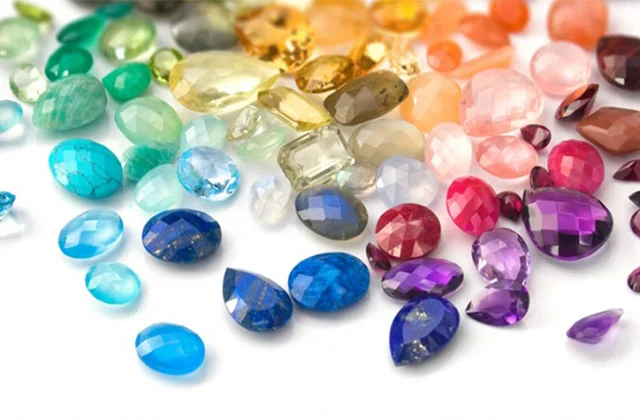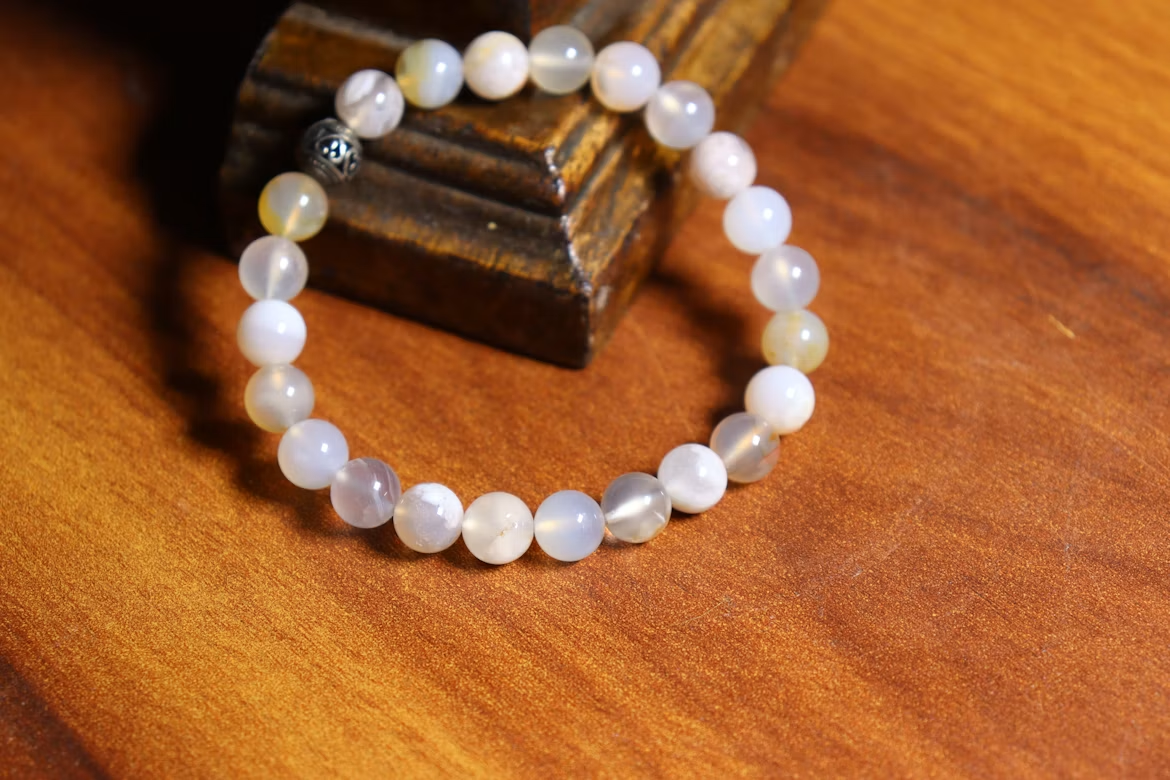
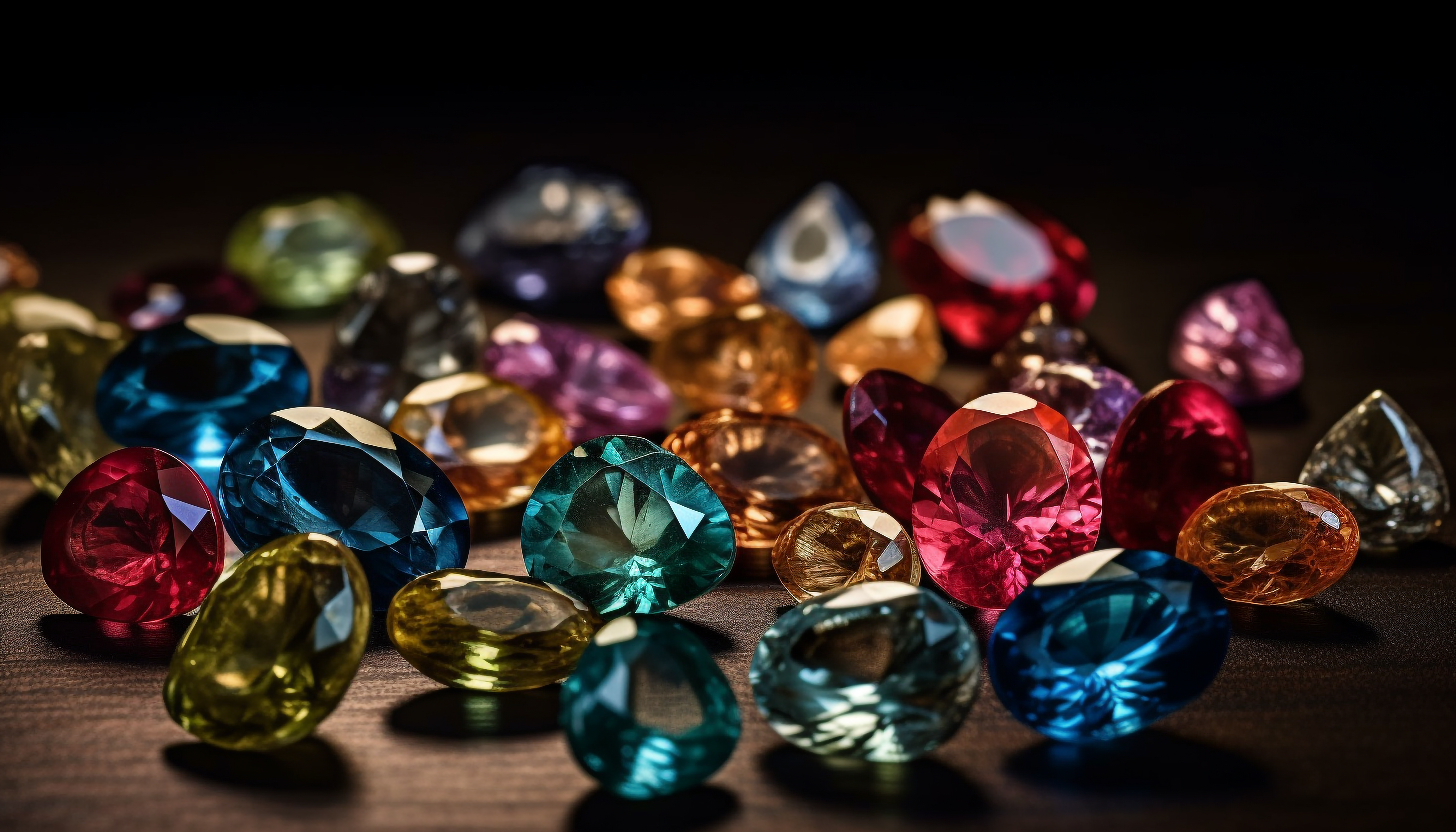
Synthetic gemstones are not imitations. They are chemically, physically, and optically identical to their natural counterparts. A synthetic ruby is real corundum, with the same hardness, refractive index, and crystal structure as a natural ruby. The only difference is that it formed in a laboratory over weeks instead of in the Earth over millions of years. This distinction, invisible to the naked eye, represents a price difference of 10x to 1000x.
Common Synthesis Methods
Flame Fusion (Verneuil Process): The oldest and cheapest method, invented in 1902. Powdered aluminium oxide is melted in an oxyhydrogen flame and crystallizes into a boule. This process produces most commercial synthetic rubies and sapphires. Telltale indicators include curved growth lines (natural corundum shows straight angular growth) and gas bubbles.
Flux Growth: Nutrients are dissolved in a chemical flux and allowed to crystallize slowly over months. The resulting crystals can contain flux inclusions that superficially resemble natural inclusions. Chatham and Ramaura emeralds use this method. Detection requires careful microscopy to identify characteristic flux remnant patterns.
Hydrothermal Growth: Mimics the natural formation environment using high temperature and pressure in an aqueous solution. Used primarily for synthetic quartz, beryl (emerald), and some sapphires. These are the hardest synthetics to detect because the growth conditions closely replicate nature.
What Labs Look For
Trained gemologists identify synthetics through inclusion study (the type, shape, and distribution of internal features), growth structure analysis (curved vs. angular, gas bubbles vs. mineral inclusions), spectroscopic fingerprinting (trace element profiles differ between natural and synthetic), and fluorescence behavior (synthetics often show different fluorescence patterns due to purity differences).
The Market Reality
Synthetic gems have legitimate uses: they make beautiful, affordable jewellery. The ethical issue arises only when synthetics are sold as natural at natural prices. Unfortunately, this happens frequently in unregulated markets. Some sellers mix natural and synthetic stones in the same parcel, knowing that visual inspection alone cannot detect the substitution.
Laboratory certification is the only reliable way to confirm whether a stone is natural or synthetic. At GTCL, every stone undergoes the full battery of tests needed to make this determination conclusively.
Need a gemstone certified?
Contact GTCL