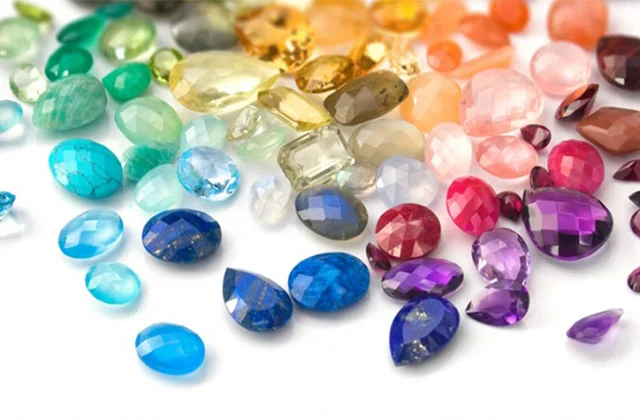
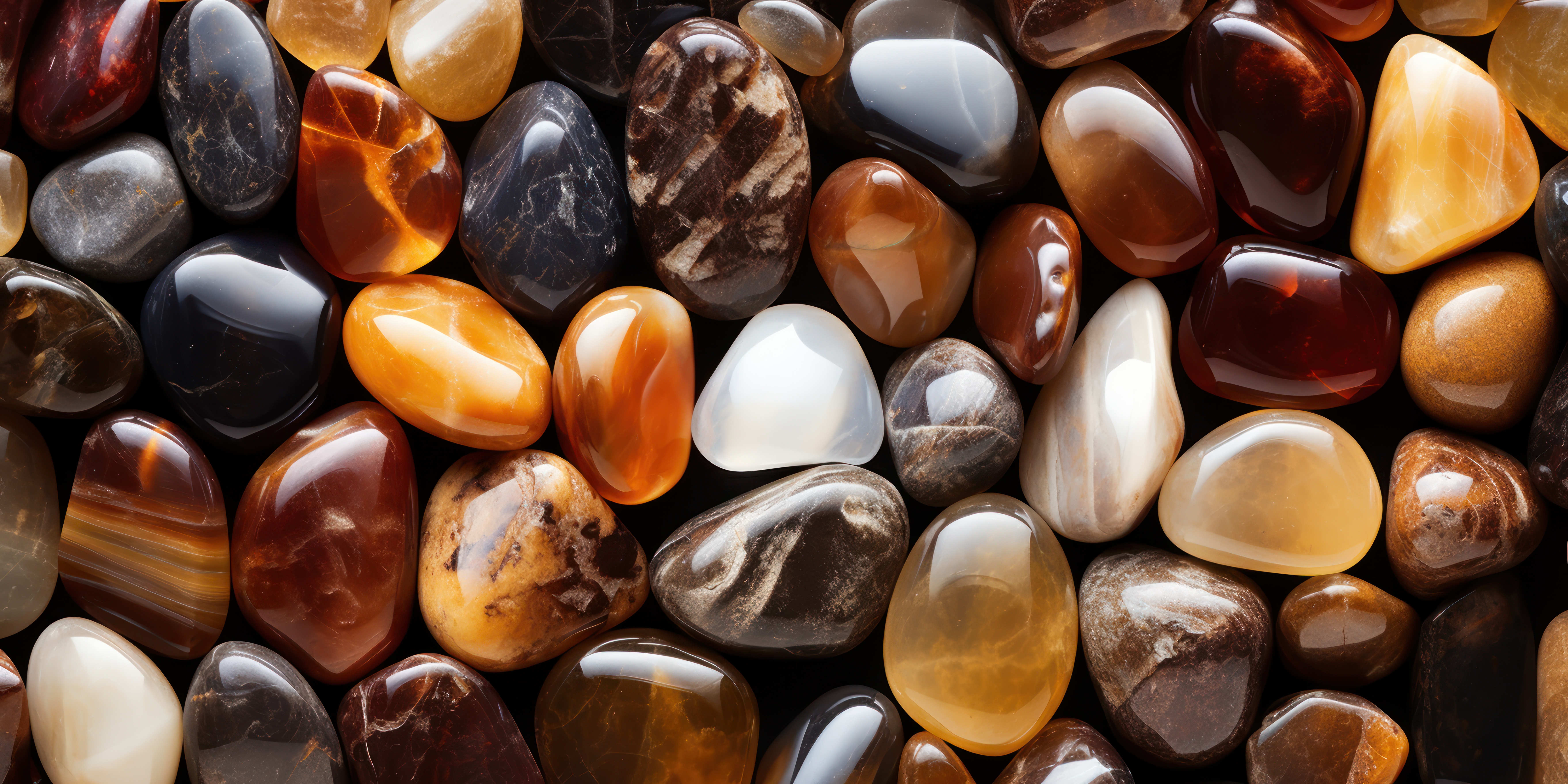
Heat treatment is the most common enhancement applied to coloured gemstones. Industry estimates suggest that over 90% of rubies and sapphires available in the market have undergone some form of thermal treatment. This is not fraud. Heat treatment is a widely accepted, permanent enhancement when properly disclosed. The problem arises when disclosure is missing.
What Heat Treatment Does
Gemstones form deep within the Earth under heat and pressure. Laboratory heating replicates and extends that natural process. When corundum (ruby or sapphire) is heated to temperatures between 1,200°C and 1,800°C, several things can happen. Silk-like rutile inclusions dissolve, improving clarity. Trace elements redistribute, deepening or shifting colour. Blue sapphires from Sri Lanka often turn from a milky, pale blue to a vivid, saturated blue after heating. Geuda sapphires, which appear nearly colourless in their rough state, can transform into fine blue stones.
How Labs Detect Heat Treatment
Gemological laboratories use several indicators to determine whether a stone has been heated. Dissolved silk: natural rutile needles in corundum partially dissolve at high temperatures, leaving characteristic "dotted" patterns instead of continuous needles. Altered inclusions: natural crystal inclusions develop stress fractures or melted surfaces. Fluorescence changes: heated stones sometimes show altered UV fluorescence patterns. Spectroscopy: infrared and Raman spectroscopy can detect changes in the crystal lattice structure caused by heating.
Price Impact
An unheated ruby or sapphire of fine colour commands a significant premium over a heated stone of identical appearance. In the Burmese ruby market, the premium for "no heat" can be 200 to 500 percent. For Kashmir sapphires (which are almost always unheated), the premium is even higher. This price gap makes accurate treatment disclosure commercially critical.
Other Common Treatments
Beyond heating, buyers should be aware of several other treatments. Beryllium diffusion changes the colour of sapphires by introducing beryllium at very high temperatures. Lead-glass filling fills fractures in low-quality rubies with a glass-like substance, dramatically improving apparent clarity. Oiling and resin filling is standard practice for emeralds, where cedar oil or synthetic resin fills surface-reaching fractures. Irradiation permanently changes the colour of certain stones, turning colourless topaz blue.
Every gemstone certificate from GTCL includes a treatment disclosure field. We test for all major treatment types using spectroscopic analysis, microscopy, and fluorescence examination. Knowing a stone's treatment status before buying is not optional. It is fundamental.
Need a gemstone certified?
Contact GTCL