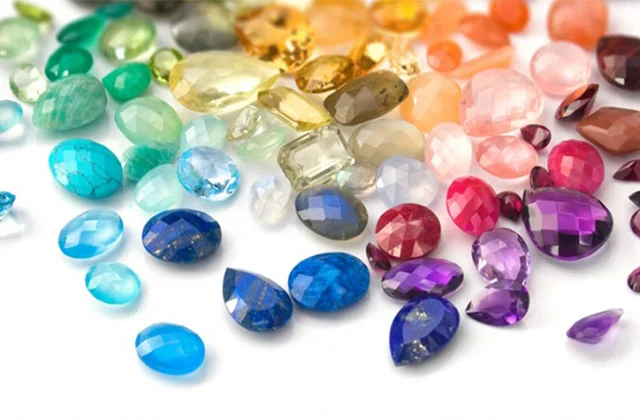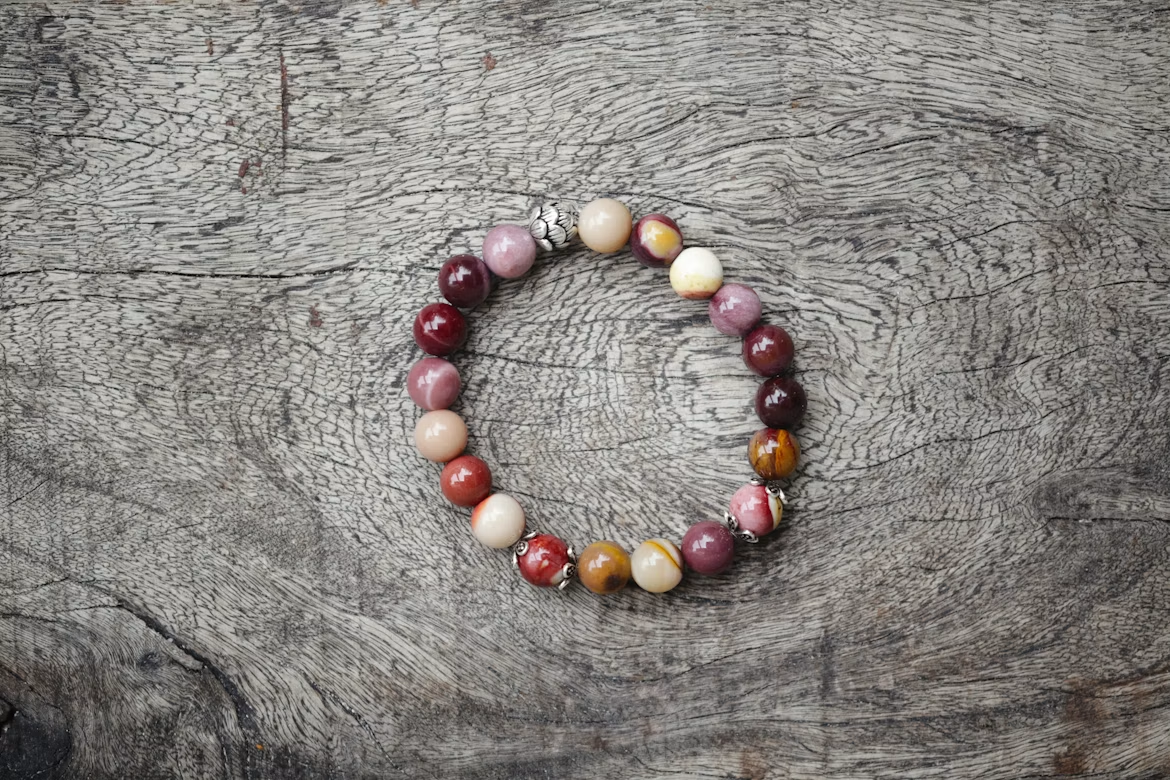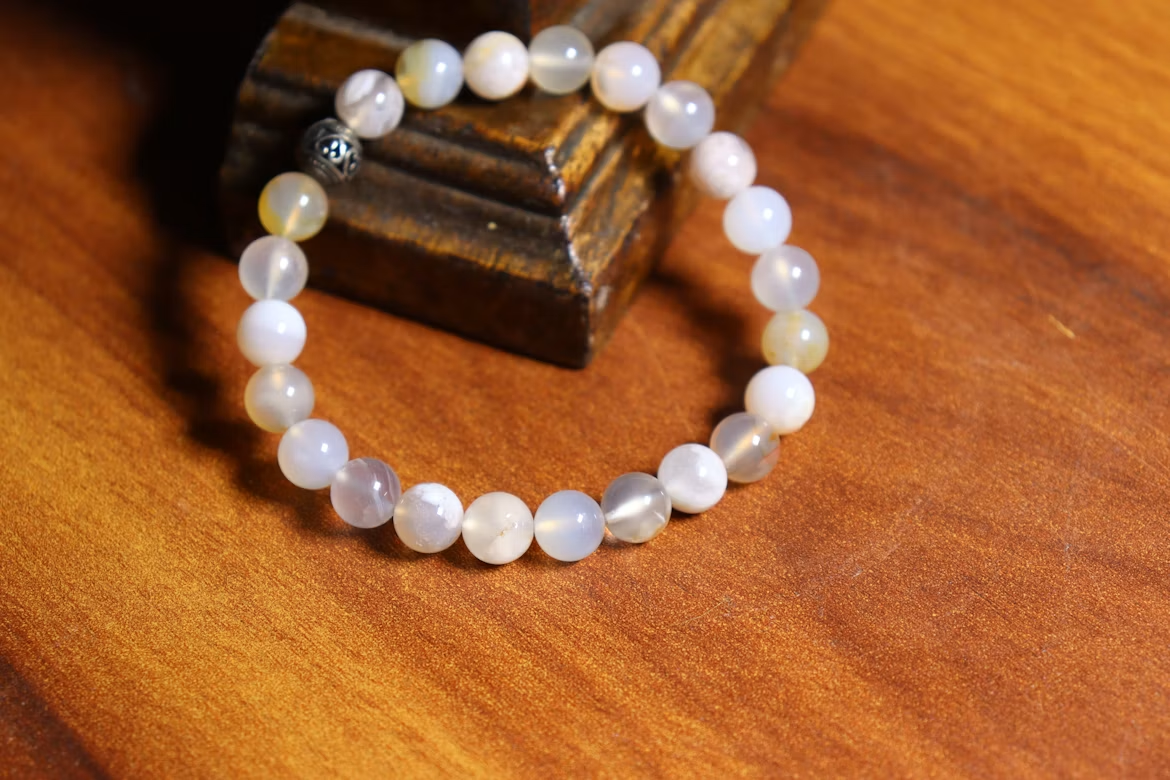
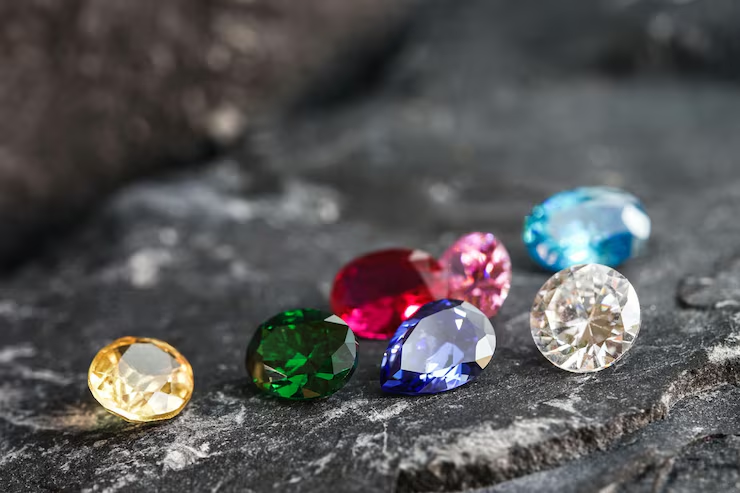
Walk into any gem and mineral shop, and you will see two overlapping categories marketed side by side: "gemstones" and "crystals." Online marketplaces blur the line even further. A rose quartz sphere sits next to a certified ruby, both tagged with healing properties and aesthetic appeal. The confusion is understandable, because every gemstone is technically a crystal, but not every crystal qualifies as a gemstone.
What Defines a Crystal?
A crystal is any solid material whose atoms are arranged in a highly ordered, repeating three-dimensional pattern called a crystal lattice. Table salt is a crystal. Snowflakes are crystals. The quartz in your kitchen countertop is crystalline. In the mineral hobby world, "crystal" usually refers to a naturally formed mineral specimen valued for its shape, colour, or metaphysical associations.
What Makes a Gemstone?
A gemstone is a crystal (or sometimes an amorphous material like opal) that meets three additional criteria:
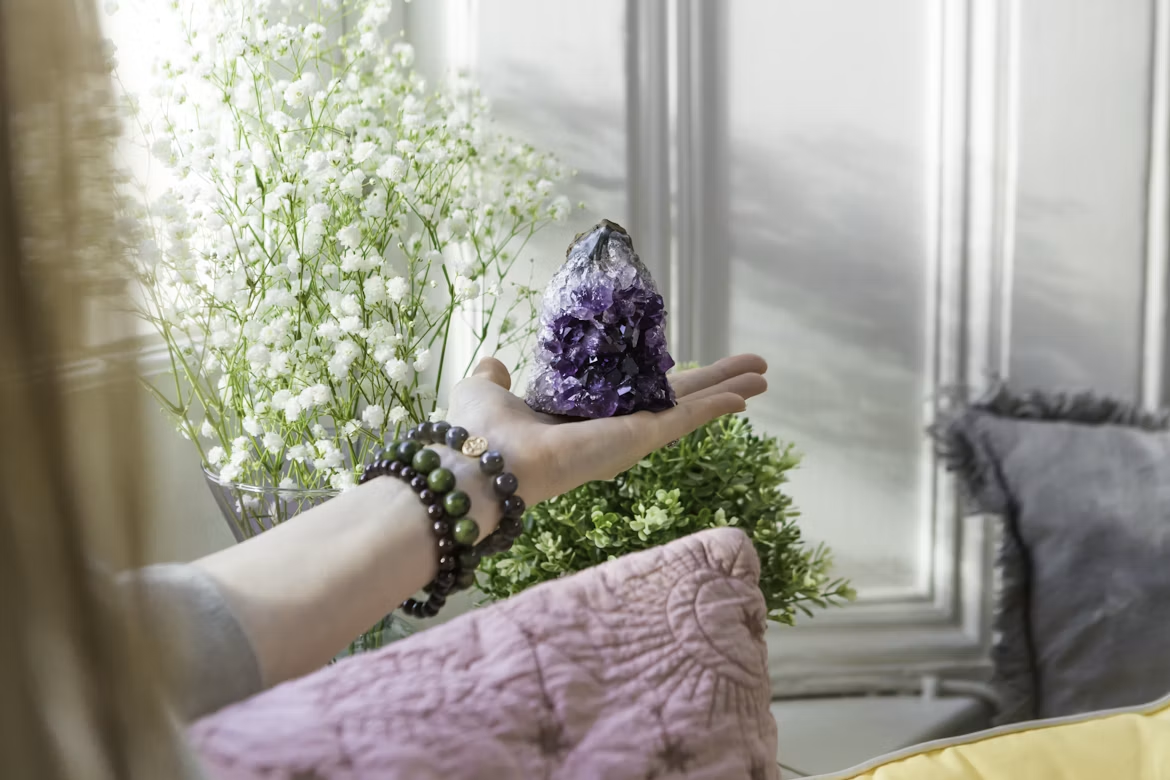
Beauty: The stone must possess desirable colour, lustre, or optical effects like asterism (star effect) or chatoyancy (cat's eye). Raw amethyst is a crystal; when cut and polished to reveal deep purple colour and brilliance, it becomes a gemstone.
Durability: Gemstones need to withstand the wear and tear of being set in jewellery. The Mohs hardness scale is the standard measure. Diamonds sit at 10, sapphires and rubies at 9, and most gemstones used in rings rate 7 or higher. Selenite, a beautiful crystal, rates just 2 on the Mohs scale. It scratches with a fingernail. It will never be a practical gemstone.
Rarity: Abundance drives value down. Clear quartz crystals are found on every continent. Paraiba tourmalines, with their neon blue-green colour caused by copper, come from only a handful of mines worldwide. Rarity is what separates a $5 amethyst from a $50,000 alexandrite.
Where They Overlap
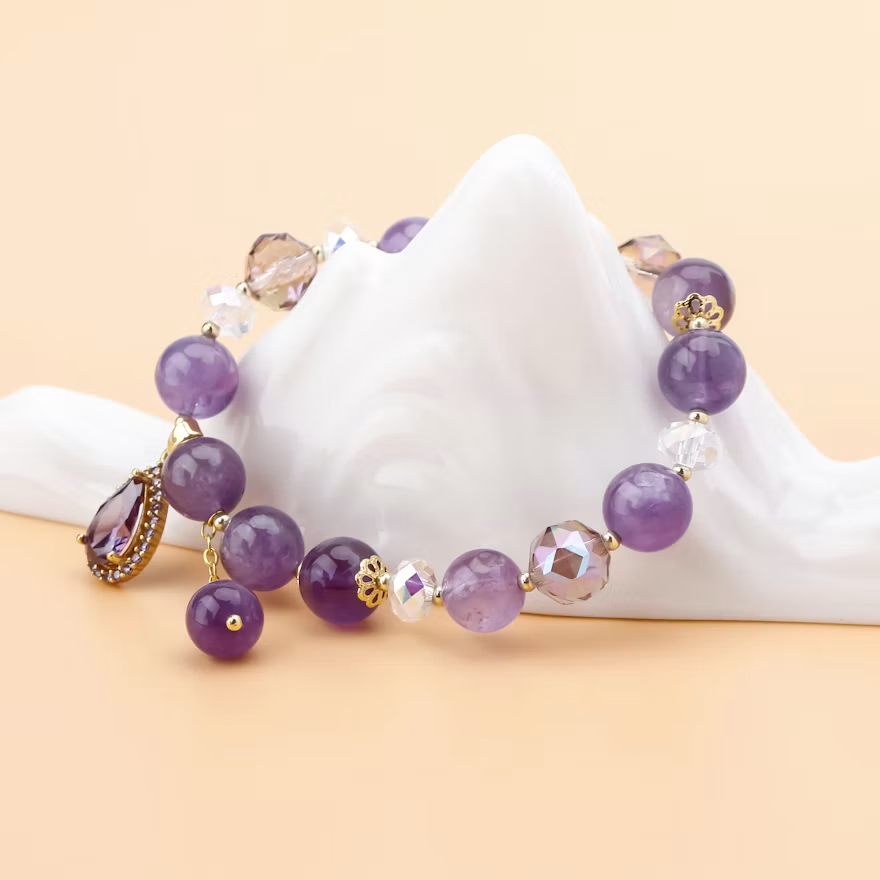
Some minerals comfortably occupy both categories. Amethyst, citrine, and rose quartz are crystals that are also classified as semi-precious gemstones. Clear quartz is a crystal that rarely qualifies as a gemstone because it lacks rarity, though exceptionally clear pieces are cut for collectors. Tourmaline, garnet, and topaz exist as both rough crystal specimens and faceted gemstones depending on quality.
Why the Distinction Matters for Buyers
Pricing, certification, and intended use all depend on which category a stone falls into. Gemstones are graded and certified by laboratories like GTCL based on measurable properties: colour, clarity, cut, carat weight, and origin. Crystals sold for metaphysical or decorative purposes are rarely certified, and their pricing often follows market demand rather than gemological standards.
If you are buying a stone as a financial investment or for fine jewellery, you need a gemstone with lab certification. If you are buying for personal collection, meditation, or home decor, a crystal specimen may be exactly what you want. Knowing which one you are purchasing protects you from overpaying.
Need a gemstone certified?
Contact GTCL